Auto Wrapping: Customize Your Vehicle With Eye-Catching Designs
Car wrapping has become a popular method for organizations and individuals to strengthen their transportation. This technique grants a pairing of aesthetic appeal and practical benefits. From protecting the original surface to playing the role of a mobile promotional tool, car wraps cater to various purposes. As selections widen, perceiving the nuances of this modification becomes essential. What factors should one weigh when settling on a appearance or classification of wrap? The insights may amaze you.
Comprehending Car Wrapping: Advantages and Uses
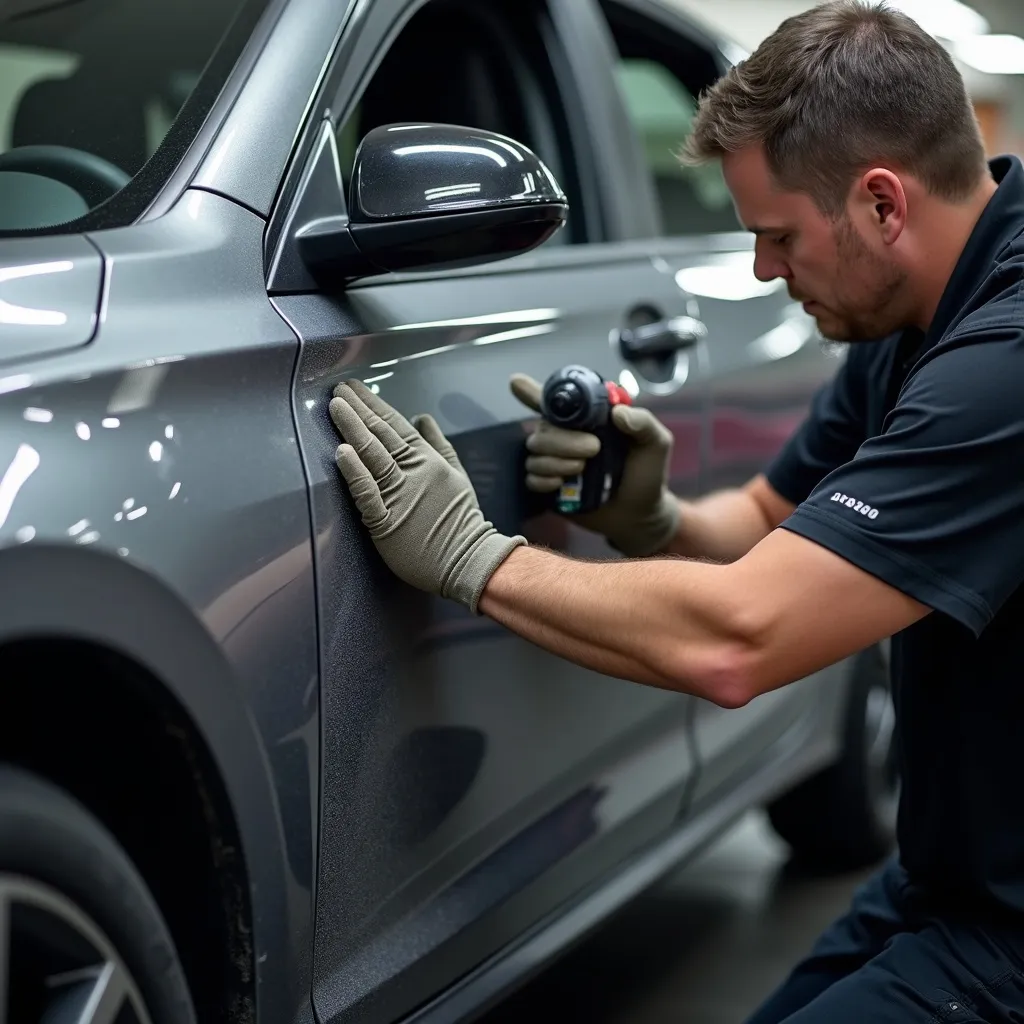
Car wrapping turns vehicles into portable canvases, delivering both visual appeal and practical advantages. This innovative process involves applying a vinyl film to a vehicle’s surface, allowing a broad selection of colors and designs. One of the primary benefits of car wrapping is its ability to protect the original paint from scratches, UV rays, and environmental damage, thereby maintaining the vehicle's resale value. Additionally, wraps can be removed easily, letting owners to change designs or restore the vehicle to its original appearance without permanent alterations. Businesses often use car wraps for advertising purposes, making their vehicles into striking promotional tools that reach a broad audience. Furthermore, the customization options are nearly limitless, fulfilling individual tastes and branding needs. Overall, car wrapping acts as an useful solution for enhancing visual appeal while offering functional protection.
Types of Car Coverings You Should Think About
When considering car wraps, several options are obtainable to fulfill varying preferences and requirements. Primary factors involve vinyl wrap selections, the distinction between matte or glossy finishes, and the opportunity for custom graphic designs. Each type delivers unique aesthetic and functional benefits that can elevate any vehicle's aesthetic.
Vinyl Film Options
Vinyl wrap types come in a range, each delivering distinct visual and useful benefits. Car owners can select options such as solid colors, which provide a sleek and uniform look, or patterned wraps that showcase custom designs and textures. In addition, vehicle owners might consider specialty wraps like carbon fiber, which mimics the look of premium materials, or reflective wraps that improve night visibility. Custom graphics offer a way for access resource individualized expression, enabling businesses to feature logos or messages effectively. Each choice suits different tastes and goals, from aesthetic appeal to branding chances. Selecting the ideal vinyl wrap involves considering the desired impact, durability, and upkeep requirements, ensuring a tailored approach to transforming the vehicle.
Matte and Glossy Coatings Explained
The decision between matte and glossy finishes for car wraps can considerably impact the vehicle's overall visual appeal. Matte finishes give a classy and understated look, absorbing light and reducing glare. This option is popular among those desiring a unique, modern style. However, matte wraps may be more vulnerable to scratches and require specialized cleaning methods to preserve their appearance.
By comparison, polished surfaces present a vibrant, high-shine effect that enhances colors and details, allowing the vehicle to stand out. Glossy wraps are often more convenient to maintain and more resistant to wear, but they may reflect too much light for some inclinations. Ultimately, the selection between matte and glossy finishes is based on personal preference and desired impact.
Bespoke Visual Elements Layouts
While searching for custom graphics designs for car wraps, various styles can boost a vehicle's personality and attractiveness. From bold graphics that speak volumes to detailed motifs that demonstrate artistry, the options are wide-ranging. Tailored emblems or brand designs are suitable for businesses looking to advertise on the move. Additionally, organic designs, geometric figures, and illustrative designs appeal to diverse tastes. Lines and racing themes can suggest speed, while vintage styles can provide a classic touch. Each option not only expresses unique taste but also grabs attention on the road. Ultimately, choosing the perfect personalized design ensures a vehicle stands out in a sea of average automobiles.
Picking the Perfect Design for Your Car Vinyl
What is the method to choose the most optimal design for a car wrap? Picking the ideal design involves analyzing several key criteria. First, the target audience must be identified; a design attractive to young adults may differ significantly from one aimed at corporate clients. Next, brand identity plays a critical role; colors, logos, and themes should be consistent with current marketing materials to maintain consistency.
In addition, the vehicle's shape and size can influence design determinations; complicated patterns may not succeed on smaller vehicles. It's also vital to reflect on the message being relayed; clarity and graphic impact are vital, ensuring that the design speaks effectively at a glance.
In conclusion, contemporary market trends should be assessed; while originality is valuable, embracing current aesthetics can elevate attractiveness. By thoughtfully weaving these aspects, one can create a captivating car wrap concept that commands attention and impacts viewers.
How Is Car Wrapping Completed?
Car wrapping begins with meticulous preparation and organization. The procedure typically starts with a comprehensive wash of the vehicle's surface to ensure that grime and particles do not hinder with bonding. Next, the design is created or chosen, often using specialized software to picture how the covering will look on the car. The material substance is then printed, cut, and readied for installation.
Once finished, the installer accurately gauges and aligns the pieces, confirming a perfect connection. Heat is utilized by using a heat gun to help the vinyl adjust to the car's curves and contours. Squeegees work to clear air bubbles and form a strong seal. Finally, the edges are cut and sealed to avoid lifting. This detailed procedure results in a gorgeous, attention-grabbing change that can last for several years with regular upkeep.
Maintaining Your Car Wrap: Critical Tips
Following completion of the car wrapping work, maintaining the wrap is essential for preserving its visual appeal and lifespan. Routine cleaning matters; applying a mild cleanser with water using a soft material helps avoid grime accumulation. It is advisable to refrain from automated washing facilities, since abrasive brushes may harm the wrap. Rather, hand cleaning is recommended to copyright the finish.
Furthermore, applying a UV protectant can safeguard the wrap from sun damage, maintaining its color and gloss. Parking in shaded areas or garages can also minimize contact to harmful UV rays.
Examining the wrap periodically for any lifting edges or bubbles is important; these should be handled quickly to prevent further damage. Finally, steering clear of harsh substances and cleaners guarantees the wrap stays undamaged and vivid. By following these essential tips, vehicle owners can appreciate their eye-catching designs for years to come.
What Does Car Wrapping Cost?
Understanding the expenses linked to car wrapping is crucial for prospective customers. Various factors affect the final price, including vehicle size, wrap material, and complexity of the design. Typically, the typical cost range for car wrapping can vary considerably based on these elements.
Components Determining Rate
While several factors influence the overall expense of car wrapping, the main components include the type of vinyl used, the intricacy of the design, and the size of the vehicle. High-quality vinyl materials are usually more durable and visually appealing, influencing costs substantially. In addition, intricate designs that demand advanced techniques, such as custom graphics or multi-color applications, can elevate expenses. The vehicle's size also functions as a crucial element; larger vehicles necessitate more material and labor, producing higher prices. Moreover, the installer's skill level can influence costs, as skilled professionals may charge more for their services. Ultimately, grasping these factors supports budgeting for a car wrapping project productively.
Average Price Bracket
The typical price for car wrapping varies considerably due to several factors. Generally, charges range between $2,500 and $5,000 for a full vehicle wrap, which depends on the vehicle's size and the design's complexity. Smaller cars often cost less, whereas larger vehicles such as vans or trucks may cost more. Moreover, the material quality is key; premium vinyl films can increase costs. Labor expenses also change by location and the installers' experience. Simple color modifications may be more budget-friendly than detailed graphics. In the end, potential customers should get multiple quotes to make sure they obtain a fair price for the wrap they want.
Real-Life Examples: Engaging Car Wrap Layouts
Vehicle wrap concepts have changed automobiles into creative backdrops, revealing artistic flair and market positioning. Countless documented cases demonstrate the broad spectrum of this medium. For example, a local coffee shop deployed a eye-catching wrap exhibiting coffee beans and steaming cups, productively engaging customers while highlighting its brand. Another notable example is a sports car embellished in a sleek metallic finish, strengthening its aerodynamic appeal and imparting it a custom look that stands out on the racetrack.
Additionally, an eco-friendly company dressed its delivery van in a nature-based motif, complete with leaves and earth tones, exemplifying its commitment to sustainability. These designs not only seize attention but also express ideas and values relevant to the brands they represent. By weaving striking visuals with effective marketing strategies, car wraps have become a influential medium for businesses and individuals alike, inspiring others to explore their own creative possibilities.
Frequently Asked Questions
How much time Does a Car Wrap Generally Last?
A car wrap usually lasts spanning five to seven years, contingent on elements like quality of the material, environmental exposure, and maintenance. Good maintenance can lengthen its lifespan, ensuring the appearance stays vibrant and undamaged.
May I Wrap a Leased Vehicle?
Yes, a leased vehicle can be covered, but it's critical to check the lease agreement first. Many leasing companies permit wraps, provided they are removed before handing over the auto to avoid potential charges.
Can a Car Wrap Harm My Coat?
A car wrap generally does not harm the paint if applied and removed appropriately. However, prolonged exposure or low-quality products may lead to complications, making correct application and takeoff essential for paint preservation.
How Do I Take Off a Car Wrap?
To strip a car wrap, warm the vinyl with a hairdryer or heat gun, carefully peel it off, and use adhesive remover on any leftover glue. Patience minimizes the risk of damage to the underlying paint surface.
Do Legal Limitations Apply for Car Wraps?
Legal limits on car wraps differ by geographic location. Particular areas might apply requirements on appearance, advertising content, or license plate clarity. It's important to check local statutes before applying a wrap to verify adherence.